Since 1987, Gram Sudhar Samiti has walked alongside villages that outsiders had written off — and stayed long enough to prove them wrong.
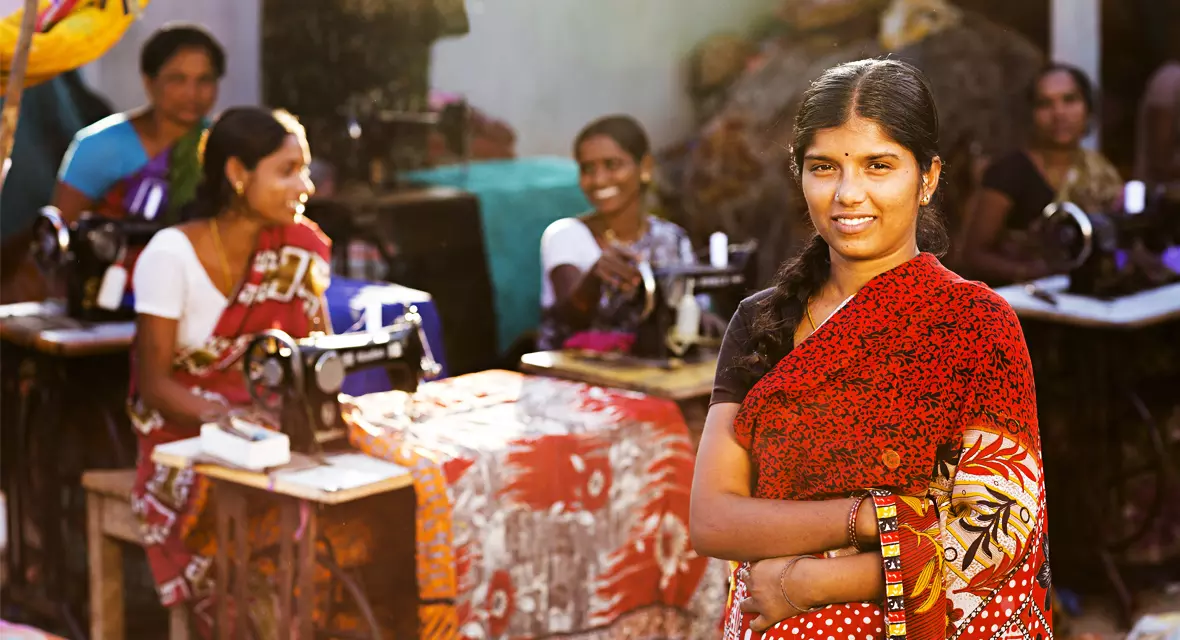
"There was a time when I believed change would come from somewhere else. Today, I stand alongside other women, shaping the future of our village. When my daughter watches us lead, I know we're giving her more than a better life—we're giving her the confidence to believe she belongs wherever decisions are made."
Her village sits in the belt of Satna where GSS's watershed program began — where decisions about water, land, and the future were once made without the women who depended on them most. Her words carry the weight of everything this organisation has tried to build since 1987: not charity, but a seat at the table.
Most development organisations arrive with a blueprint. GSS arrived with a question: what does this village already know how to do, and what's stopping it? That question, asked in Satna in 1987, is still the one guiding every project GSS runs today.
Four decades on, the answer has taken a consistent shape — organise the institutions first, restore the land and water they depend on, build livelihoods that don't collapse in a bad monsoon, and keep the next generation in school long enough to inherit something better. GSS is registered under the Societies Registration Act and holds 12A, 80G, and FCRA compliance.
"We don't walk ahead of communities — we walk beside them. Listening to their stories, learning from their wisdom, and nurturing the strength that has always existed within them. Because the future of a village is never built by outsiders; it is shaped by the hands and hearts of the people who call it home."
A society where the place you were born doesn't decide what you get to become.
Where equity and dignity are not the exception in rural India, but the baseline.
A rural India where discrimination doesn't determine a child's classroom.
Where every community has the standing to speak for itself, and local culture is protected, not erased by development.
Every stage below is still standing today — nothing was abandoned, only built upon. Click a year and travel through it.
Four decades of history is carried forward by specific people — starting at the top.
Dedicated professionals committed to rural transformation.
Six fronts, each with its own colour and its own thread — but all part of the same fabric.
Restoring ecosystems and strengthening climate-resilient communities through sustainable natural resource management.
Empowering women and youth to lead inclusive economic growth through entrepreneurship, sustainable livelihoods, and market-driven opportunities.
Ensuring equitable access to quality healthcare and promoting lifelong health for every generation.
Unlocking human potential through quality education, skills, innovation, and lifelong learning.
Building resilient villages through strong institutions, sustainable infrastructure, and community-led governance.
Preserving cultural heritage while creating sustainable livelihoods through tourism, creativity, and local enterprise.
GSS's model sequences deliberately: a village is organised before its land is restored, and its land is restored before new livelihoods are layered on top.
Village committees and women's Self-Help Groups, formed and trained first, so every later intervention has local ownership and a body to sustain it.
Watershed structures, soil & water conservation, and natural farming — built and maintained by the institutions formed in step one.
Market linkages, organic produce, artisan enterprise, and community-led rural tourism — diversifying income once the resource base is secure.
GSS deliberately organises the village before it restores the land: a functioning committee is what allows restored resources to be maintained, shared fairly, and sustained after GSS's direct involvement tapers.
Strengthening inclusive institutions, community leadership and collective action to enable equitable, locally owned development.
Village institutions, Women's SHGs, Youth leadership, Social inclusion, Governance, Capacity building, Gender equality, Community participation
10,000+ empowered community institutions established and strengthened, 500,000+ women and youth in leadership roles, and 5 million+ people participating in inclusive local governance.
Revitalising ecosystems and regenerating natural resources to build climate-resilient landscapes and sustainable environmental futures.
Watershed restoration, Biodiversity conservation, Soil & water conservation, Regenerative agriculture, Ecology restoration, Renewable energy, Carbon footprint reduction, Climate adaptation
1 million+ hectares of landscapes restored, 10 billion+ litres of water conserved annually, 5 million+ trees regenerated, 500,000+ tCO₂e emissions reduced or sequestered, and 1,000+ climate-resilient villages created.
Expanding resilient livelihood opportunities through sustainable value chains, entrepreneurship and inclusive local economies.
Agriculture, Value chain development, Enterprise promotion, Rural tourism, Skill development, Financial inclusion, Market linkages, Digital livelihoods
2 million+ people accessing sustainable livelihoods, 100,000+ rural enterprises supported, 1 million+ farmers linked to resilient value chains, and 80% reduction in distress migration across programme areas.
Investing in people by strengthening health, education, nutrition and social well-being to create thriving communities across generations.
Healthcare, Nutrition, Education, Early childhood development, WASH, Adolescent development, Human capital, Community well-being
5 million+ people accessing quality healthcare and nutrition services, 2 million+ children and youth benefiting from education initiatives, 90%+ school retention, and 50% improvement in key health and nutrition indicators across programme communities.
Here is what "Organise → Restore → Diversify → Nurture" actually looks like on the ground, step by step.
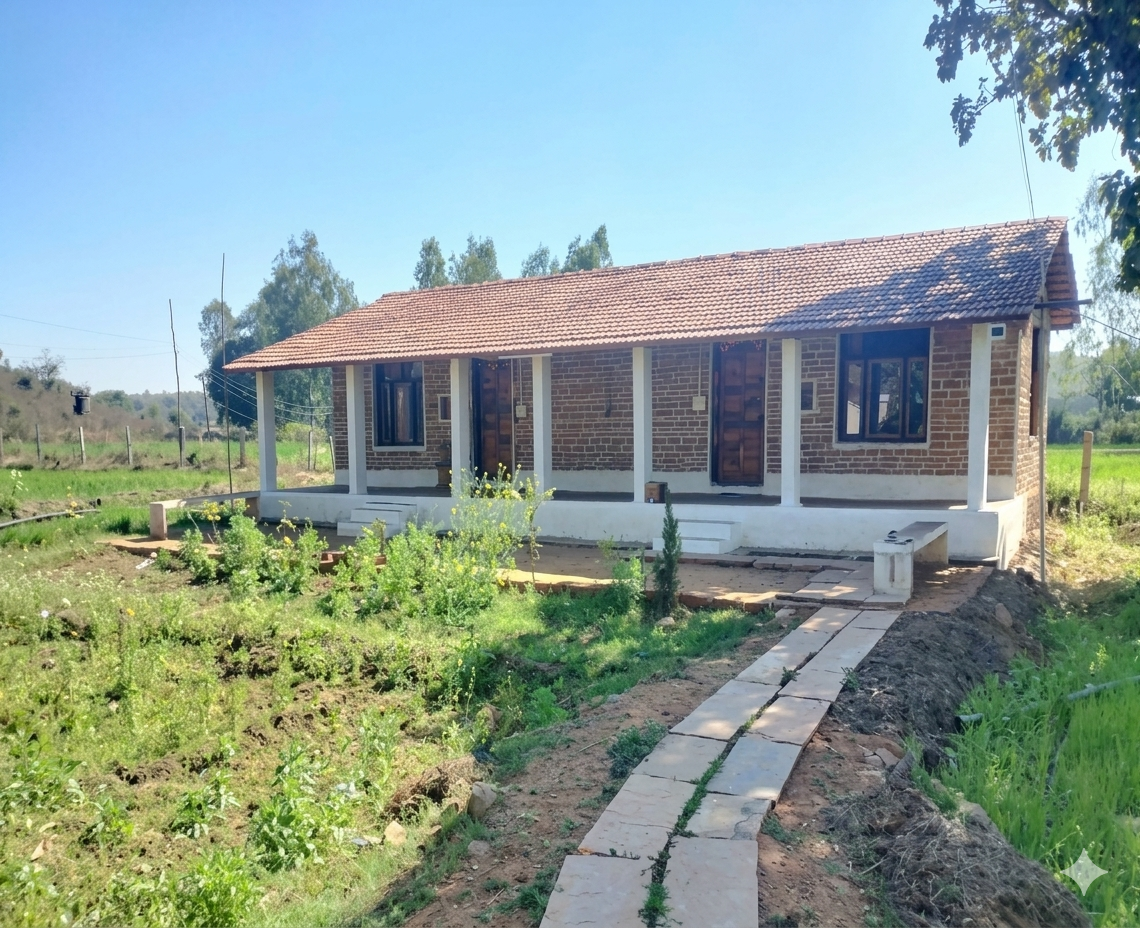
A community-led tourism model in Khokara village, connecting visitors with local culture and craft while keeping income inside the village economy.
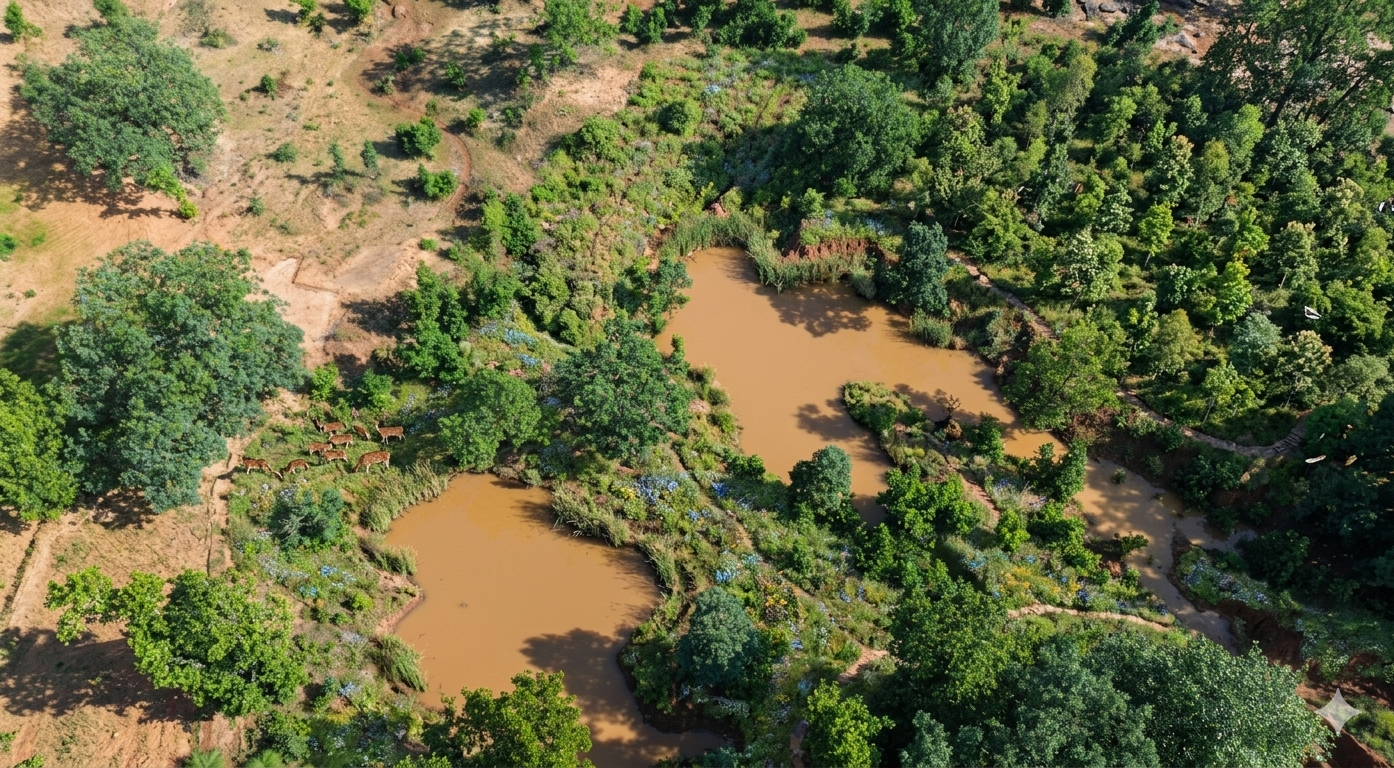
A multi-village watershed restoration effort across Satna's ridge villages, recognised by NABARD.
Every number below traces back to one of the four stages you just read about.
Not the numbers that look best — the ones GSS actually tracks, district by district, year by year.
Every organisation below has put money, mandate, or expertise behind the belief that this model works.
"People see a restored village. I see the small moments we had forgotten — sharing tea in the evening, celebrating festivals together, hearing my children laugh with their father. Those moments cannot be measured, but they mean everything to us."
Every quote below belongs to someone who can tell you exactly what changed, and exactly when.
Behind every number on this page is a version of one of these stories, still being written. You can help write the next one →
Written records of what worked, what didn't, and what changed — for anyone studying or replicating this model.
How a community-led homestay model earned state recognition.
What thirty years of watershed work actually taught us.
Quarterly updates from the field, since 1987.
India's own Viksit Bharat @2047 vision imagines a developed nation by the centenary of independence. GSS's work is a small, specific piece of that promise: villages with restored land, functioning institutions, diversified incomes, and educated children — self-reliant enough to carry their own progress forward, the way Satna's earliest watershed villages already do.
These are GSS's own forward-looking targets, illustrative until confirmed with the organisation's leadership — not a claim of formal government partnership.
Help fund the next chapter →GSS's four-stage model maps directly onto fourteen UN Sustainable Development Goals. Badges below are simplified placeholders — official SDG artwork should replace these before public launch.
Not an abstraction — an actual plant in actual ground, an actual seat in an actual classroom.
Restores tree cover on degraded common land — the first step back toward water security.
Support ₹2,000Books, uniform, and support to keep one more child in class instead of the fields.
Support ₹2,500Starting capital and seed stock for a savings group to launch its first shared income-generating activity.
Support ₹50,000The kind of water body that brought one father home for a winter, for the first time in nine years.
Support ₹90,000"When I first sat in the circle with the other women, I did not know how to hold a pen properly. Today I sign the ledger for our seed enterprise myself."
You cannot fix thirty-seven years of drought in one gift. But you can be the reason one check dam gets built a year sooner, one SHG opens a year sooner, one child stays in school instead of the fields. That's not a small thing. That's the whole thing.
